Home > Case Studies > Ambitious Inc.
250 tickets cleared in one year. What makes SYSTEMI a partner that accelerates development at more than twice the conventional speed
Ambitious Inc. | Services | Ongoing development of an existing system
COMPANY OVERVIEW
Operates the "Shunou Pit" trunk room service with 670 locations nationwide. One of Japan's largest trunk room services. Headcount: approx. 200.
CHALLENGES
Clearing the backlog was an urgent priority
01
A shortage of engineering resources left initiatives stuck for three years
Their competitive edge was gradually eroding. Even when they wanted to build new features, there simply weren't enough people.
02
Deciding the priority of new feature development took so much effort that ticket throughput would not improve
It was unclear where to start, and how to balance that against business impact.
SYSTEMI'S APPROACH
Reorganizing stalled development into an order that could actually move forward
Team design
Assigned one PM, one requirements lead, and several developers. The team structure was flexibly adjusted to match the state of the project.
Understanding the existing system and reorganizing priorities
Sorted through long-stalled tickets and reset their priority order by business impact.
Ongoing development and speed-up
Optimized CI/CD and improved the development flow to shorten the lead time per ticket.
Feature implementation
Built features such as automatic recommendations and unattended viewing reservations, improving the customer experience.
RESULTS
The improvement in numbers
250+
tickets cleared in one year
3 years
of backlog cleared
"SYSTEMI's appeal lies in their all-round technical strength and the flexibility of their staffing. Whether you hand everything over to them or just have them fill the gaps where you're short on people, they adapt to the situation."
— Mr. Masahito Horie (Manager, Systems Section, Sales & Customer Division)
INTERVIEW
250 tickets cleared in one year. What makes SYSTEMI a partner that accelerates development
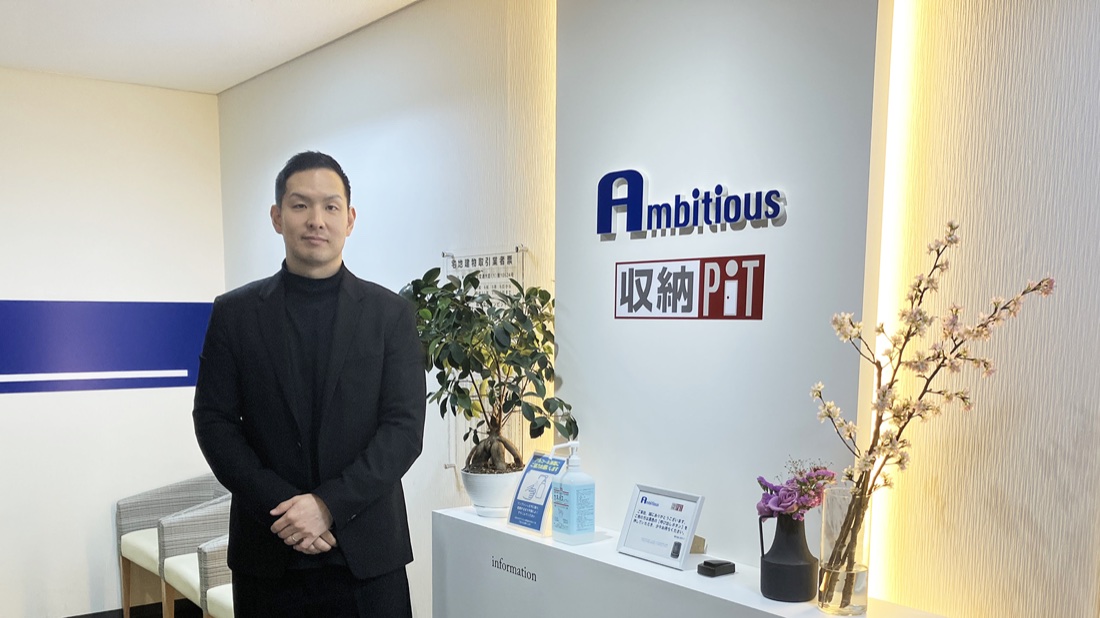
Ambitious Inc. operates the "Shunou Pit" trunk room service across 670 locations. We spoke with Mr. Masahito Horie, Manager of the Systems Section in the Sales & Customer Division, about why they switched vendors and the results they achieved by working with SYSTEMI.
Q
Could you tell us about the challenges you faced before SYSTEMI became your development partner, and what led you to switch vendors?
Mr. Horie
Our biggest challenge was a shortage of resources and skills caused by being unable to add engineers. We had worked with another vendor since our service site launched in 2018, but the development engineering capacity was chronically short at just 0.5 person-months. We asked for additional staffing, but that never came through, so stalled tickets kept piling up — some of them had been sitting there for as long as three years.
We also frequently felt that something was lacking on the engineering side, with issues in the architecture and design and various defects. In the trunk room industry, few companies invest heavily in web marketing, so we originally held an advantageous position. But because additional development wasn't progressing, the gap between us and our competitors gradually narrowed. That sense of crisis is what led us to start considering a vendor change around March 2023.
Q
What were the deciding factors that led you to choose SYSTEMI?
Mr. Horie
The first deciding factor was the breadth of their talent. When they introduced the people they could assign in advance, I became confident that SYSTEMI could cover not only backend development but also the infrastructure knowledge and skills we were short on.
The second was that their development stance matched ours. They're neither the type to spend ages mass-producing extremely thorough documentation, nor are they overly skewed toward just coding. I felt they struck a good balance as a partner who moves development forward together with us.
The third factor that built trust was their track record. Beyond being a core partner of a major IT vendor, they also had a track record in finance and manufacturing, which we rated highly. Manufacturing systems demand very fine-grained specifications, so having a track record there gave us real peace of mind.

Q
What team structure did you use to drive product development, and how did SYSTEMI perform?
Mr. Horie
In the early stage of product development, SYSTEMI's side had one PM and two developers. Because so many unaddressed tickets remained, we strengthened the team partway through, changing it to one PM, one requirements lead, and five developers. I had originally handled requirements definition myself, but by having SYSTEMI assign one person to that role too, we were able to free up more tasks to pass to the developers. The flexibility of their staffing, adjusting to our situation, has been a real help.
My impression is that they've kept things running smoothly as a development partner. When we switched vendors, the documentation wasn't well maintained, yet they took over the work admirably. It was also reassuring that they proactively offered opinions on improving development efficiency, like "you could do this faster if you did it this way." On the quality side, the inefficient implementations that had occurred with the previous vendor were resolved, which gave us a great sense of security.
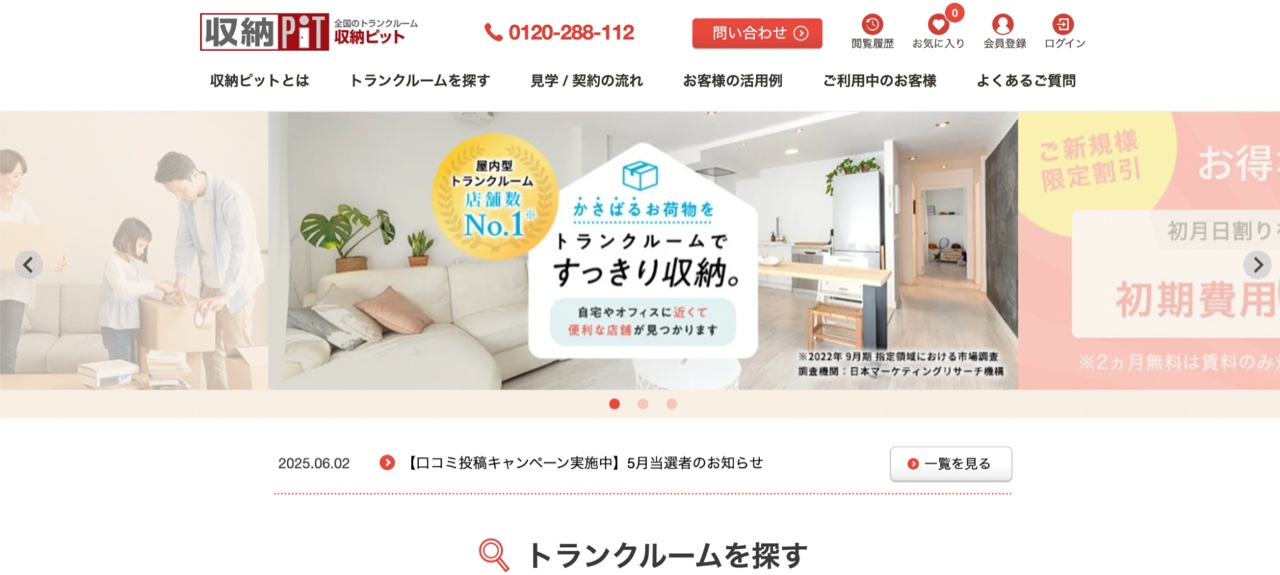
Source: Shunou Pit official site
Q
Could you tell us about the results you gained from product development with SYSTEMI, and what makes them appealing as a development partner?
Mr. Horie
In roughly the first year after SYSTEMI joined, we were able to clear several hundred tickets. That's more than twice the speed compared to before. On top of that, the number of incidents dropped, so we've cut down the time spent firefighting. We were also able to implement add-on features that had been stalled for years — like a feature that automatically recommends nearby locations to customers waiting for an opening, and a viewing reservation feature for unattended trunk rooms. With the automatic recommendation and viewing reservation features in place, our contract conversion rate rose, and we can now respond to SEO needs in a timely way.
SYSTEMI's appeal lies in their all-round technical strength and the flexibility of their staffing. They have engineers who command the full range of skills from cloud to implementation, so whether you go with a "leave it all to us" style or one where the client handles the steering and just has them fill the gaps where people are short, they can flexibly staff to match the situation. If, like us, you want to keep driving implementation forward together with your vendor, I'd say it's well worth talking to them first.
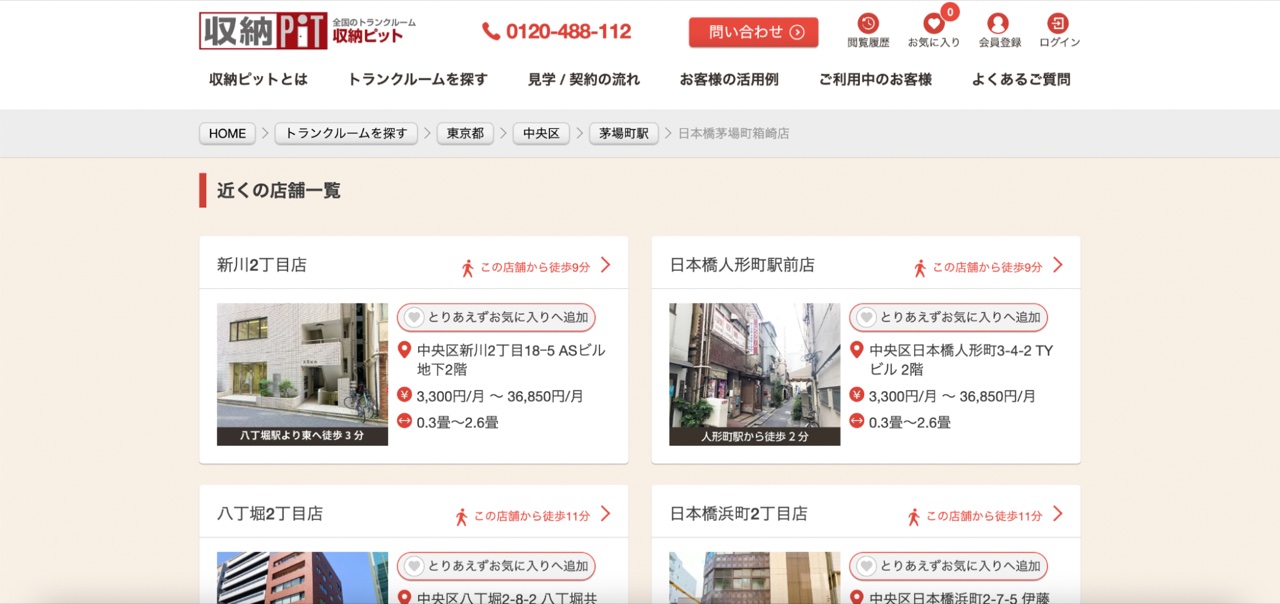
Source: Shunou Pit official site
FDE PERSPECTIVE
A project like this goes more smoothly when the key issues are sorted out before placing the order
Sorting out what to tackle first
Before adding features, we frame the key issues: how priorities are set, operational constraints, and the limits of the existing system. It's the process of turning a mountain of backlog into "what to work on first."
Nailing down non-functional and migration conditions first
By looking first at performance, SEO, deployment operations, and how to make the most of existing assets, we prevent the architecture from breaking down later.
Deciding AI adoption from "where it works" first, too
Rather than just dropping in AI, we design by separating where it speeds up development from where people retain responsibility. The approach of stepping in on the front line as an FDE is well suited to sorting out these prerequisites.
TECH STACK
The tech stack used on this project
Ruby on Rails
Next.js
TypeScript
AWS (ECS + Aurora)
GitHub Actions
Terraform
Datadog
ElastiCache (Redis)
While keeping the existing Rails API, we migrated the frontend to Next.js (App Router) in stages. Containerization with ECS Fargate automated deployments. Placing CloudFront in front improved SEO performance.
SYSTEM ARCHITECTURE
CloudFront + S3Static assets
+
ALB → Next.jsECS Fargate
↓
Rails APIECS Fargate
Aurora PostgreSQLMulti-AZ
RedisElastiCache
↓
Datadog APMPerformance monitoring
GitHub ActionsCI/CD
Facing similar challenges?
Tell us more about it.
Get in touch